
The new year inspires fresh starts—and for many Northern Virginia residents, that means finally addressing health concerns they've been putting off. If you or your teen has been told wisdom teeth need attention, January offers an ideal window to schedule the procedure. Between academic breaks, flexible work schedules, and a general mindset of tackling what you've been avoiding, the timing couldn't be better.
At Davary & Smith Oral & Maxillofacial Surgery & Dental Implant Center in Sterling, wisdom teeth removal is performed by dual-degree surgeons with training that goes far beyond what most patients expect—providing not just clinical excellence, but genuine peace of mind during a procedure that understandably makes many people nervous.
Understanding Why Wisdom Teeth Often Need Removal
Wisdom teeth—the third set of molars that typically emerge between ages 17 and 25—served our ancestors well when their diets required more chewing power and tooth loss was common. Modern jaws, however, often lack sufficient space to accommodate these late arrivals. When wisdom teeth can't emerge properly, problems develop.
Impacted wisdom teeth remain fully or partially trapped beneath the gum line, sometimes growing at angles that press against neighboring teeth. Even wisdom teeth that do emerge may crowd existing teeth, undoing years of orthodontic work, or create hard-to-clean pockets where bacteria accumulate. The consequences of leaving problematic wisdom teeth untreated can include:
Infection and Pain: bacteria trapped around partially erupted teeth can cause pericoronitis, a painful infection of the surrounding gum tissue
Damage to Adjacent Teeth: impacted wisdom teeth pressing against second molars can cause decay, bone loss, or structural damage to otherwise healthy teeth
Cyst Formation: fluid-filled sacs can develop around impacted teeth, potentially damaging jawbone and nearby structures
Crowding and Shifting: emerging wisdom teeth can push other teeth out of alignment, compromising both aesthetics and bite function
Decay in Difficult Locations: wisdom teeth positioned at the back of the mouth are notoriously difficult to clean, making them prone to cavities
Not everyone needs wisdom teeth removed—some people have adequate space for these teeth to emerge and function normally. A thorough evaluation by an oral surgeon determines whether removal is advisable and, if so, the optimal timing.
Why Dual-Degree Surgeons Make a Difference
The surgeons you choose for wisdom teeth removal matters significantly. At Davary & Smith, both Dr. Ashkan Davary and Dr. Christopher Smith hold dual degrees—Doctor of Dental Surgery (DDS) and Doctor of Medicine (MD)—representing the highest level of training available in oral and maxillofacial surgery.
This dual-degree pathway requires years of additional education beyond dental school, including medical school and an extensive surgical residency. The result is surgeons with comprehensive expertise in medicine, anesthesia, and complex surgical techniques that goes far beyond standard dental training.
Dr. Davary graduated magna cum laude from the University of California, Irvine with a degree in Biomedical Engineering before earning his DDS from Columbia University College of Dental Medicine and his MD from New York University School of Medicine. He completed his six-year Oral and Maxillofacial Surgery residency at NYU Hospital Center and is a member of the American Association of Oral and Maxillofacial Surgeons and the Virginia Society of Oral & Maxillofacial Surgeons.
Dr. Smith brings a background in bioengineering from the University of Pennsylvania, followed by dental school and his Oral and Maxillofacial Surgery residency at Temple University's Kornberg School of Dentistry, where he served as Chief Resident. His training included rotations at Hahnemann University Hospital and the University of Illinois at Chicago, plus a General Surgery Internship at Temple University Hospital.
This depth of training translates to precise surgical technique, expert management of anesthesia, and the ability to handle any complexity that might arise during your procedure.
Hospital-Grade Safety in a Comfortable Setting
One factor that distinguishes Davary & Smith from other oral surgery practices is the facility itself. The Sterling office is built and certified to NFPA 99 Category 1 standards—the same rigorous safety requirements mandated for hospitals and ambulatory surgery centers.
What does this mean for patients? The practice meets stringent requirements for medical gas systems, emergency equipment, and anesthesia safety protocols. You receive hospital-grade protection in an environment designed for comfort rather than clinical coldness. This certification is rare among private oral surgery practices and reflects the founders' commitment to uncompromising safety standards.
For patients anxious about undergoing sedation for wisdom teeth removal, knowing the facility meets hospital-level safety standards provides meaningful reassurance.
Sedation Options Tailored to Your Comfort
Fear of wisdom teeth removal often centers on concerns about pain and awareness during the procedure. Modern sedation options address these concerns effectively, allowing most patients to have little or no memory of the procedure itself.
Davary & Smith offers IV sedation administered by surgeons with extensive anesthesia training—a direct benefit of their dual-degree background. During IV sedation, you remain in a deeply relaxed state, comfortable and unaware of the procedure, while your vital signs are continuously monitored.
Before your procedure, the surgical team discusses your medical history, anxiety level, and preferences to recommend the sedation approach best suited to your needs. The goal is ensuring you feel safe and comfortable throughout your experience.
What to Expect: From Consultation to Recovery
Understanding the process helps reduce anxiety and allows you to plan appropriately.
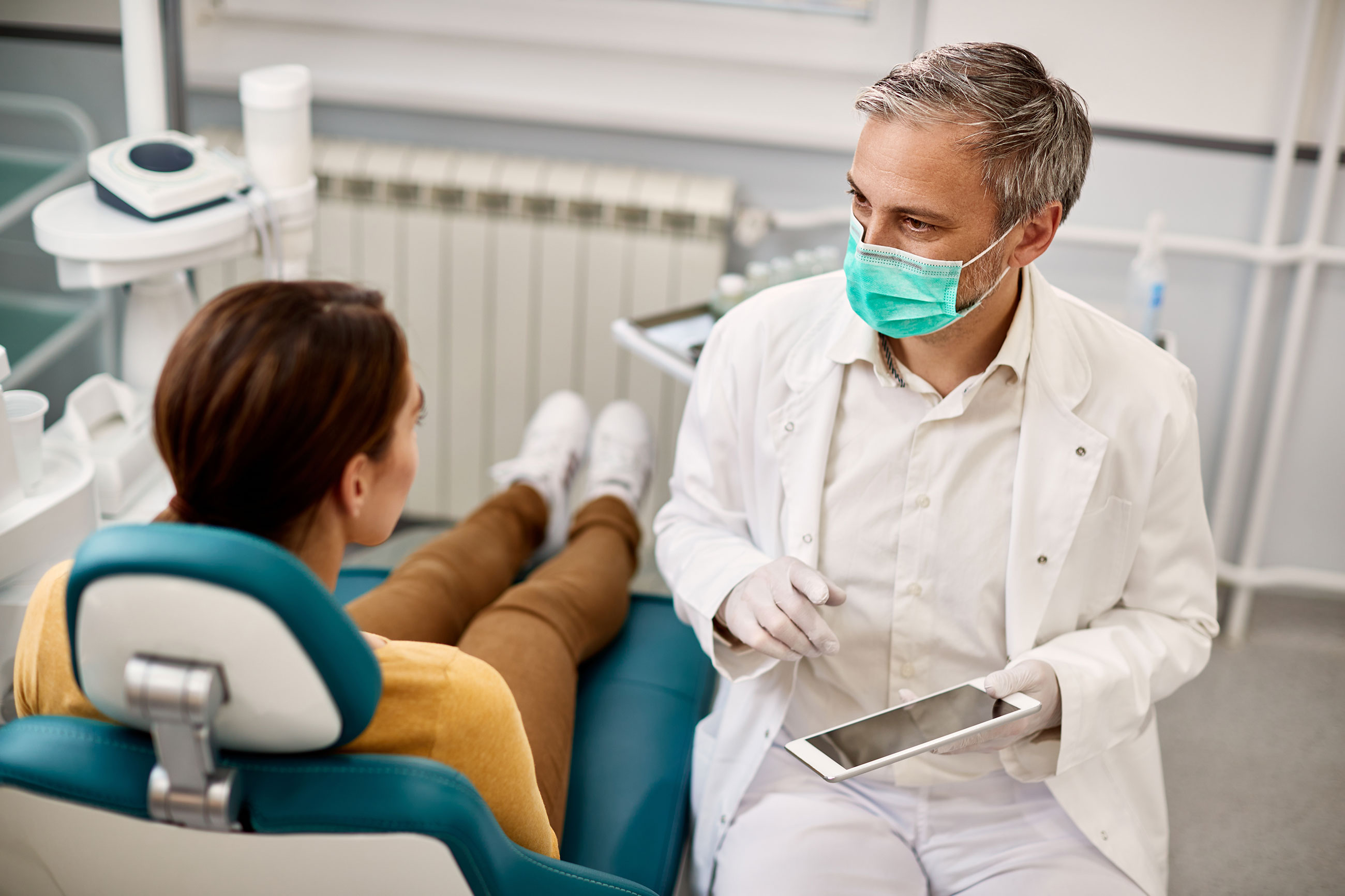
Initial Consultation: Your first visit includes a comprehensive examination and imaging to evaluate your wisdom teeth position, root development, and relationship to surrounding structures. The surgeon explains findings, discusses whether removal is recommended, and answers your questions thoroughly. This is also when you'll discuss sedation options and receive pre-operative instructions.
Day of Surgery: Arrive with a responsible adult who can drive you home after sedation. The procedure itself typically takes 45 minutes to an hour for all four wisdom teeth, though timing varies based on complexity. You'll rest in the office until the sedation wears off sufficiently for safe discharge.
Recovery Period: Most patients experience the most swelling and discomfort during the first two to three days. Plan to rest, apply ice packs as directed, and eat soft foods. Many patients return to normal activities within a week, though complete healing of the extraction sites takes several weeks.
The team provides detailed post-operative instructions and remains available to answer questions throughout your recovery. Follow-up appointments ensure healing progresses normally.
A Different Approach to Pain Management
Davary & Smith emphasizes non-opioid pain management protocols whenever possible. While some discomfort after wisdom teeth removal is normal, many patients achieve adequate pain control with anti-inflammatory medications and other non-narcotic options.
This approach reflects growing awareness of opioid risks and the preference many patients express for avoiding these medications when alternatives exist. The surgical team discusses pain management expectations and options before your procedure, tailoring recommendations to your specific situation.
January Timing: Practical Advantages
Beyond the symbolic appeal of starting the year with a clean slate, January offers practical advantages for scheduling wisdom teeth removal.
College students home on winter break can have the procedure and recover before spring semester begins. High school students facing upcoming orthodontic treatment can have wisdom teeth addressed before braces come off. Working adults often find January schedules more flexible after the holiday rush, making it easier to take needed recovery time.
Additionally, if you've met your health insurance deductible for the previous year or have remaining flexible spending account funds, early January scheduling helps maximize those benefits.
Concierge-Level Care in Northern Virginia
Davary & Smith was founded with a clear vision: world-class surgical care in an environment that feels anything but clinical. The boutique practice model means personalized attention, unhurried consultations, and a team that genuinely listens to your concerns and goals.
From the moment you contact the office, you'll notice the difference. Treatment plans are individualized rather than one-size-fits-all. Questions are welcomed and answered thoroughly. Every aspect of your experience is designed around your comfort and confidence.
Schedule Your Wisdom Teeth Consultation
If wisdom teeth removal has been on your to-do list, make January 2026 the month you take action. The dual-degree surgeons at Davary & Smith Oral & Maxillofacial Surgery & Dental Implant Center bring elite training, hospital-grade safety standards, and genuine compassion to every procedure.
Located at 21351 Gentry Drive, Suite 115 in Sterling, Virginia, the practice serves patients throughout Northern Virginia including Loudoun County, Fairfax, and the surrounding communities. Call (703) 972-7773 to schedule your consultation, or request an appointment online.
Start the new year by crossing wisdom teeth off your list—with surgeons you can trust and care designed around you.
Connect With Us
Call (703) 972-7773 or request an appointment online to set up your first visit. We’ll be in touch soon.