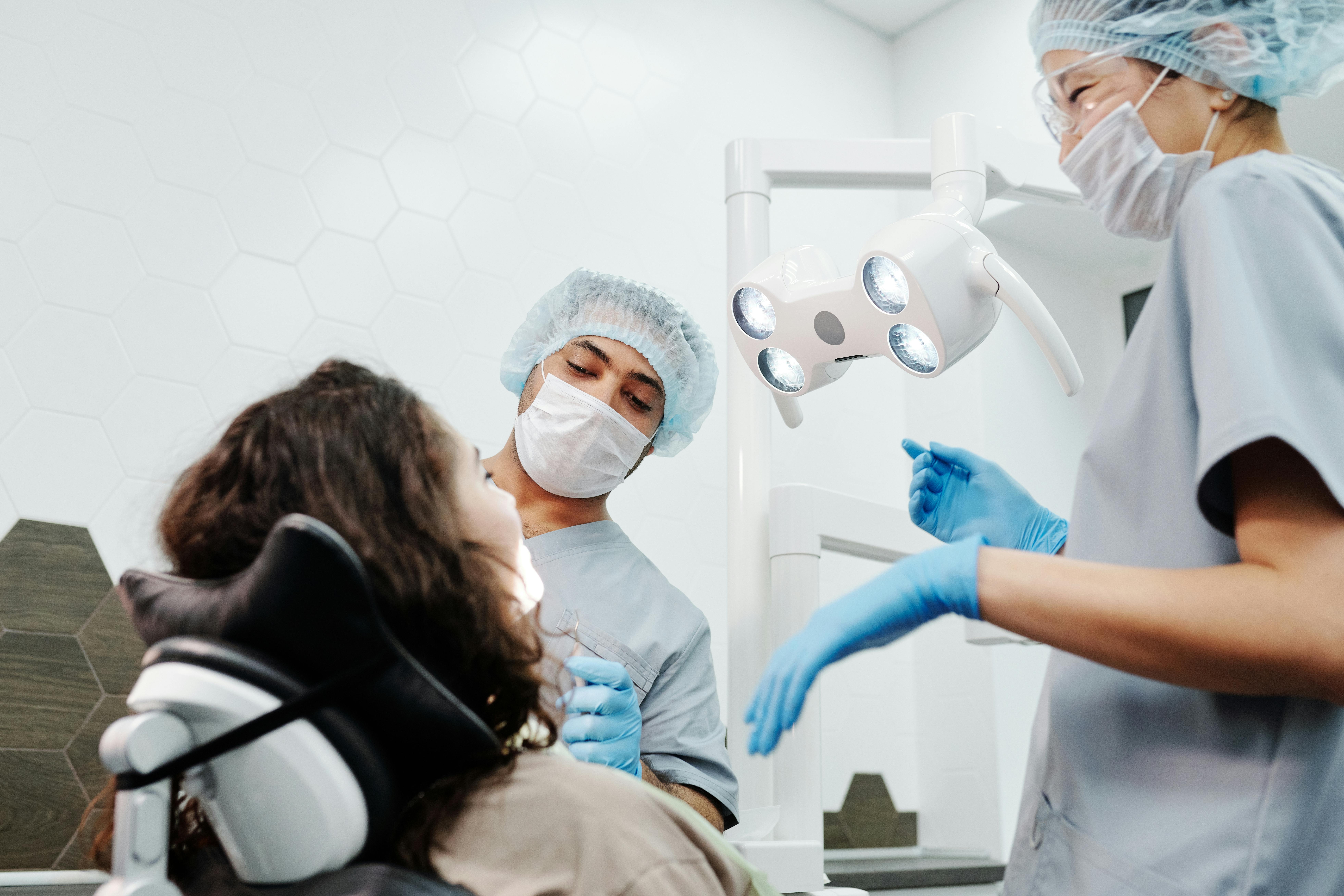
Pre-Prosthetic Surgery in Loudoun County, Virginia
Surgical Preparation for Dentures and Dental Prosthetics
Pre-prosthetic surgery involves specialized procedures designed to prepare the mouth for dentures, dental implants, or other prosthetic restorations. At Davary & Smith Oral & Maxillofacial Surgery, these procedures are performed with a focus on precision, long-term comfort, and improved oral function. Dr. Ashkan Davary is board-certified by the American Board of Oral and Maxillofacial Surgery (ABOMS), and together with Dr. Christopher Smith, a dual-degree oral and maxillofacial surgeon, provides advanced oral surgery care for patients throughout Loudoun County and Northern Virginia.
As dual-degree surgeons trained in both medicine and dentistry, Dr. Davary and Dr. Smith have extensive experience preparing the jawbone and surrounding tissues for prosthetic dental treatments. Their surgical expertise allows them to correct bone irregularities, reshape gum tissue, and create the proper anatomical foundation for dentures and other restorations.
What Is Pre-Prosthetic Surgery?
Pre-prosthetic surgery refers to oral surgical procedures that prepare the mouth before placing a dental prosthesis such as a complete denture, partial denture, or implant-supported restoration.
Dentures and other prosthetic appliances rest directly on the jawbone and gum tissue. If the bone ridge is uneven, too sharp, or improperly contoured due to tooth loss or previous dental procedures, the prosthesis may not fit comfortably or securely. In some cases, excess bone or soft tissue must be removed or reshaped before a well-fitting prosthetic can be fabricated.
Pre-prosthetic surgery corrects these conditions so that prosthetic restorations can sit properly, function as intended, and remain stable over time. The goal is to create a foundation that improves chewing ability, speech, and long-term comfort.
Why Pre-Prosthetic Surgery May Be Needed
Many patients experience changes in the jawbone and soft tissues following tooth loss. The bone that once supported the teeth can shrink, develop sharp ridges, or become uneven over time. Pre-prosthetic surgery may be recommended when patients have:
- Uneven or sharp jawbone ridges that would cause pressure or pain beneath a denture
- Excess bone that prevents proper prosthetic seating
- Excess gum tissue that interferes with appliance fit
- Bone loss from missing teeth that requires grafting before restoration
- Long-term denture irritation that has caused tissue changes
- Structural irregularities that make achieving a stable prosthetic fit difficult
- Impacted teeth that need to be addressed before a prosthesis can be placed
Correcting these conditions before fabricating a denture or implant-supported restoration leads to a significantly better fit, improved function, and greater long-term comfort.
Types of Pre-Prosthetic Surgical Procedures
Pre-prosthetic surgery may involve one or more procedures depending on the patient's oral anatomy and treatment goals.
Alveoloplasty: The jawbone ridge is smoothed and reshaped so that dentures or implants can rest evenly and comfortably. This is one of the most common pre-prosthetic procedures and is often performed at the same time as tooth extractions.
Bone Ridge Reduction: Areas of excess or irregular bone that would create pressure points or prevent proper denture seating are carefully reduced and contoured.
Removal of Excess Gum Tissue: Excess soft tissue that interferes with prosthetic fit is carefully removed, allowing the appliance to seat properly against the underlying bone.
Bone Grafting: In cases where significant bone loss has occurred, grafting procedures can rebuild the ridge to provide better support for dentures or dental implants.
Exposure of Impacted Teeth: In some cases, impacted teeth must be addressed surgically before a prosthesis can be placed to ensure a stable and unobstructed foundation.
Each treatment plan is customized based on the patient's anatomy, the type of prosthetic restoration planned, and long-term restorative goals.
The Role of Surgical and Restorative Coordination
Successful prosthetic rehabilitation requires careful coordination between the oral surgeon and the restorative dentist or prosthodontist. The oral surgeon's role is to create the optimal anatomical foundation, while the restorative provider fabricates and fits the prosthesis to that foundation.
At Davary & Smith, Dr. Davary and Dr. Smith work closely with referring dentists and prosthodontists to ensure that surgical preparation aligns with the specific requirements of each patient's planned restoration. This coordinated approach supports more predictable outcomes and reduces the likelihood of fit complications after the prosthetic is delivered.
Pre-Prosthetic Surgery and Dental Implants
While many pre-prosthetic procedures are performed to prepare patients for conventional dentures, they are equally important in implant treatment planning. Bone grafting and ridge reshaping procedures can improve the structure and volume of the jawbone, allowing implants to be placed with greater stability and precision.
By optimizing the jawbone before restorative treatment begins, oral surgeons help ensure better long-term outcomes for both traditional and implant-supported prosthetics.
Advanced Evaluation and Surgical Planning
Successful pre-prosthetic surgery requires thorough evaluation of the jawbone, gum tissue, and overall oral anatomy. During your consultation at Davary & Smith, Dr. Davary or Dr. Smith will:
- Evaluate the health and contour of your jawbone and gum tissue
- Review your complete medical and dental history
- Obtain advanced imaging when necessary to assess bone structure
- Coordinate with your restorative dentist or prosthodontist regarding prosthetic requirements
- Design a customized surgical plan aligned with your restoration goals
This comprehensive evaluation ensures the mouth is properly prepared for the most stable, comfortable, and functional prosthetic outcome possible.
Recovery After Pre-Prosthetic Surgery
Recovery depends on the type and extent of the procedure performed, but most patients experience only mild swelling or soreness during the initial healing period.
General recovery timeline:
- First few days — mild swelling and tenderness are normal; rest is recommended
- 1 to 2 weeks — soft tissue healing; most patients return to normal daily activity
- Several weeks — bone reshaping fully stabilizes and matures
After healing is complete, dentures or other prosthetic restorations can be fabricated and fitted with greater precision against the properly prepared foundation.
Frequently Asked Questions About Pre-Prosthetic Surgery
What is the purpose of pre-prosthetic surgery?
Pre-prosthetic surgery prepares the mouth for dentures or other prosthetic restorations by reshaping bone and soft tissue to create a stable, even foundation. It helps ensure that the prosthesis fits properly, functions comfortably, and remains stable over time.
Is pre-prosthetic surgery always necessary before getting dentures?
Not always. Some patients already have a jawbone and soft tissue contour suitable for dentures. Others may require minor adjustments to achieve a proper fit. Your surgeon will evaluate your anatomy and advise whether any pre-prosthetic procedures are needed.
What is alveoloplasty?
Alveoloplasty is the surgical smoothing and reshaping of the jawbone ridge, typically performed to remove sharp or uneven bone that would cause discomfort beneath a denture. It is one of the most common pre-prosthetic procedures and is often performed at the time of tooth extraction.
Can pre-prosthetic surgery improve an existing denture that fits poorly?
In some cases, yes. If a denture fits poorly due to changes in bone or tissue contour that have developed over time, surgical correction can improve stability and comfort. Your surgeon will evaluate whether this is appropriate for your situation.
How long does healing take after pre-prosthetic surgery?
Initial soft tissue healing typically takes one to two weeks. Complete bone stabilization may take several additional weeks depending on the procedure. Your surgeon will advise on the appropriate timing for your prosthetic fitting.
Who performs pre-prosthetic surgery at Davary & Smith?
Dr. Ashkan Davary, who is board-certified by the American Board of Oral and Maxillofacial Surgery (ABOMS), and Dr. Christopher Smith, a dual-degree oral and maxillofacial surgeon, perform all pre-prosthetic surgical procedures at the practice.
About Dr. Davary and Dr. Smith
Dr. Ashkan Davary completed dual medical and dental degree training in oral and maxillofacial surgery and is board-certified by the American Board of Oral and Maxillofacial Surgery (ABOMS). Dr. Christopher Smith is a dual-degree oral and maxillofacial surgeon with advanced training in both medicine and dentistry. Together, they bring a combined depth of surgical expertise to every pre-prosthetic and restorative preparation procedure performed at the practice. Patients across Loudoun County, Ashburn, Leesburg, and Northern Virginia trust Davary & Smith for careful surgical planning and personalized treatment designed to restore comfort, function, and confidence.
Schedule a Consultation in Loudoun County
If you are planning to receive dentures or implant-supported prosthetics and would like to know whether pre-prosthetic surgery is recommended, the team at Davary & Smith Oral & Maxillofacial Surgery is ready to help.
Call (703) 493-1727 or request an appointment online.
Connect With Us
Call (703) 972-7773 or request an appointment online to set up your first visit. We’ll be in touch soon.