Oral Pathology
in Loudoun County, Virginia
Diagnosis and Treatment of Oral Disease by Experienced Oral Surgeons
Oral pathology involves the diagnosis and management of diseases affecting the mouth, jaws, and surrounding facial structures. At Davary & Smith Oral & Maxillofacial Surgery, suspicious oral lesions and abnormalities are carefully evaluated by surgeons with advanced training in both medicine and dentistry. Dr. Ashkan Davary is board-certified by the American Board of Oral and Maxillofacial Surgery (ABOMS), and together with Dr. Christopher Smith, a dual-degree oral and maxillofacial surgeon, provides expert evaluation and care for patients throughout Loudoun County and Northern Virginia.As dual-degree surgeons trained in both medicine and dentistry, Dr. Davary and Dr. Smith have extensive training in identifying and treating conditions that affect the soft tissues and bones of the mouth. Their expertise allows them to evaluate abnormalities, perform biopsies when necessary, and guide patients toward appropriate treatment when disease is detected.
What Is Oral Pathology?
The inside of the mouth is normally lined with a specialized mucosa that is smooth and coral pink in color. Any alteration in this appearance can be a warning sign of a pathological process. Oral pathology refers to diseases and abnormalities that develop in the mouth, jaw, salivary glands, or surrounding tissues, and can range from relatively minor conditions to serious medical concerns, including oral cancer.Many oral pathologic conditions begin as subtle changes in the soft tissues of the mouth. Early detection is critical because identifying abnormalities at an early stage allows for faster diagnosis and more effective treatment. Oral and maxillofacial surgeons are specifically trained to recognize these conditions and determine when further testing or treatment is needed.

Warning Signs of Oral Pathology
Patients should seek prompt evaluation if they notice any of the following changes in the mouth, particularly if they persist for more than two weeks:
- Reddish patches (erythroplasia) or whitish patches (leukoplakia) on the gums, tongue, cheeks, or palate
- Sores or ulcers that do not heal or that bleed easily
- A lump or thickening on the soft tissue lining the inside of the mouth
- Unexplained bleeding in the gums or soft tissues
- Chronic sore throat, hoarseness, or difficulty chewing or swallowing
- Numbness or persistent pain in the mouth, jaw, or face without an obvious cause
These changes can be detected on the lips, cheeks, palate, gum tissue, tongue, face, and neck. An important and often overlooked fact: pain is not always present with oral pathology, and is frequently absent in early-stage oral cancer. Patients experiencing facial or oral pain with no identifiable cause should also seek evaluation, as this too can be a warning sign.
We recommend performing a self-examination of the mouth monthly. Your mouth is one of your body's most important early warning systems. Do not ignore suspicious lumps or sores.
How Oral Pathology Is Diagnosed
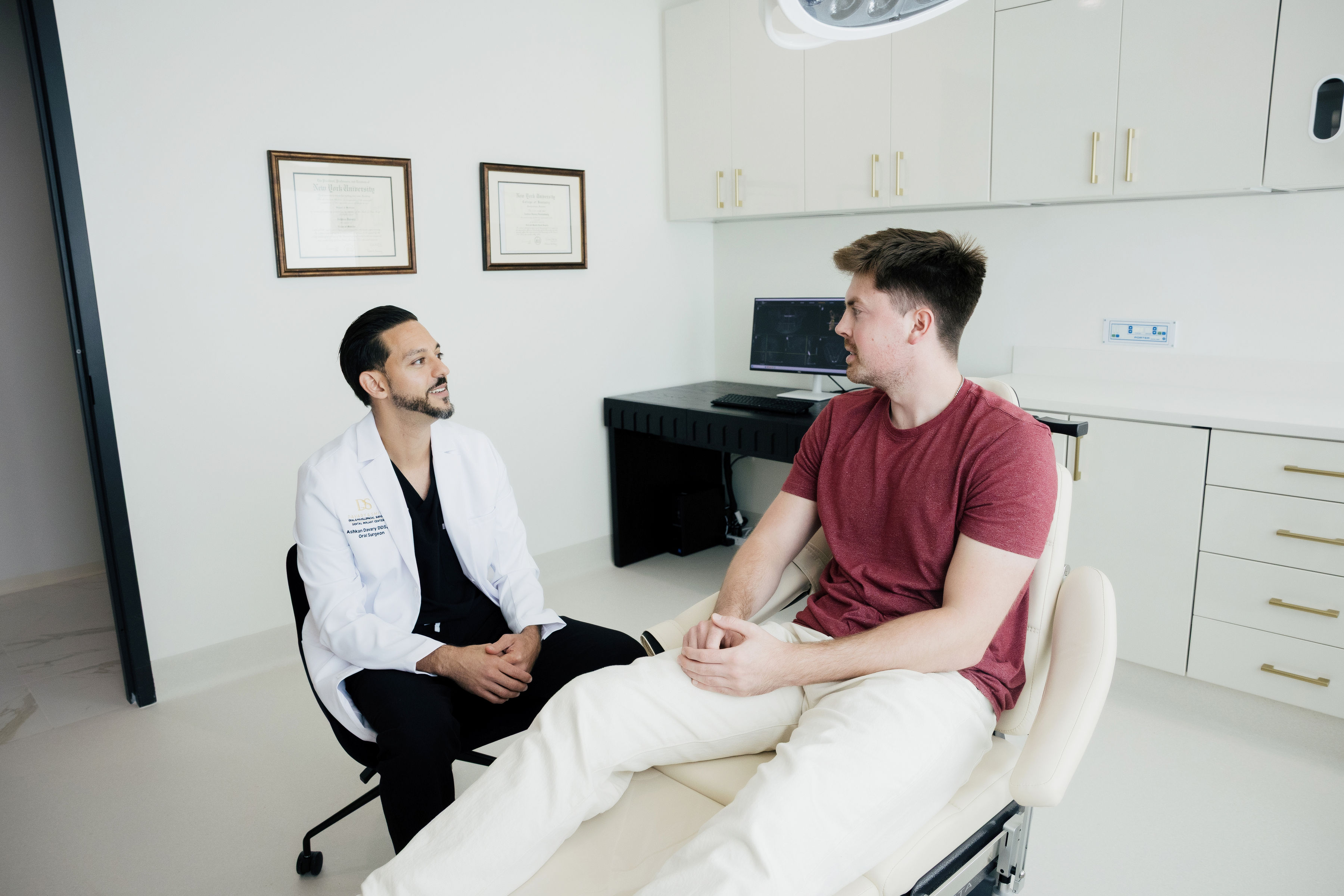
Evaluation begins with a thorough clinical examination. Dr. Davary or Dr. Smith will carefully assess the soft tissues of the mouth, jaw structure, and surrounding areas for signs of abnormal growth or tissue changes.
If an abnormality is detected, additional diagnostic steps may include:
- Imaging studies such as dental X-rays or CT scans to evaluate bone involvement
- Monitoring of suspicious lesions over time when appropriate
- Biopsy procedures to obtain a tissue sample for pathologic analysis
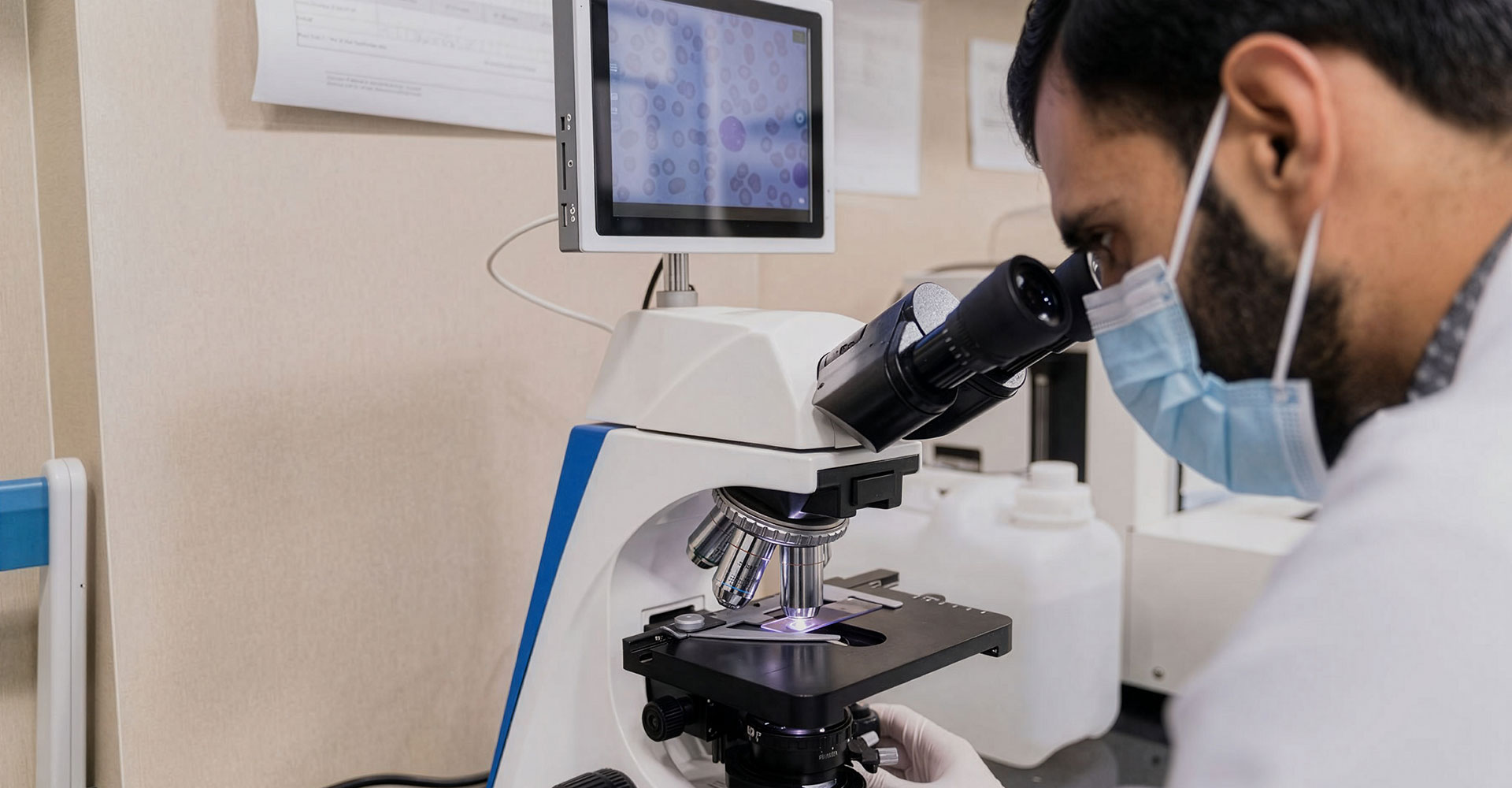
A biopsy allows tissue to be examined by a pathologist, providing a definitive diagnosis and guiding the most appropriate course of treatment.
Conditions Evaluated and Treated
Dr. Davary and Dr. Smith evaluate and treat a wide range of oral and maxillofacial pathologic conditions, including:
- Oral cysts and benign tumors
- Precancerous lesions, including leukoplakia and erythroplasia
- Oral cancer diagnosis and surgical management
- Oral infections and inflammatory conditions
- Salivary gland disorders
- Autoimmune conditions affecting the oral soft tissues and mucosa
- Bone defects and lesions of the jaw
Many of these conditions are benign, but accurate diagnosis is essential to ensure that more serious conditions are identified and addressed early.
The Importance of Early Detection
Routine dental examinations are often where oral abnormalities are first identified. Dentists frequently refer patients to oral and maxillofacial surgeons when a lesion or abnormality requires further evaluation or surgical treatment.
At Davary & Smith, our goal is to provide prompt and accurate diagnosis so patients can receive the right care as quickly as possible. Early evaluation can make a significant difference in treatment outcomes, particularly when abnormalities are detected at their earliest stage.

Frequently Asked Questions About Oral Pathology
What conditions are considered oral pathology?
Oral pathology includes diseases affecting the mouth, jawbone, gums, tongue, salivary glands, and surrounding tissues. These conditions may include infections, cysts, tumors, autoimmune disorders, and oral cancer.
When should a mouth lesion be evaluated?
Any sore, lump, or patch in the mouth that does not heal within two weeks should be evaluated by a dental professional or oral surgeon. Do not wait to see if it resolves on its own.
What is an oral biopsy?
An oral biopsy is a procedure in which a small sample of tissue is removed and examined under a microscope by a pathologist to determine whether abnormal or cancerous cells are present.
Are most oral lesions cancerous?
No. Many oral lesions are benign and result from irritation, infection, or inflammation. However, proper evaluation is important to rule out more serious conditions, including oral cancer. The only way to know for certain is through clinical evaluation and, when indicated, biopsy.
Does oral cancer always cause pain?
No, and this is an important distinction. Early-stage oral cancer is often painless, which is why visual changes in the mouth, such as persistent patches, sores, or lumps, should never be ignored even when they are not causing discomfort.
What happens after a biopsy?
The tissue sample is sent to a pathology lab for analysis. Your surgeon will review the results with you and discuss next steps, which may include monitoring, additional treatment, or referral to an appropriate specialist depending on the findings.
Who performs oral pathology evaluation at Davary & Smith?
Dr. Ashkan Davary, who is board-certified by the American Board of Oral and Maxillofacial Surgery (ABOMS), and Dr. Christopher Smith, a dual-degree oral and maxillofacial surgeon, perform all evaluations and procedures at the practice.
About Dr. Davary
and Dr. Smith
Dr. Ashkan Davary completed dual medical and dental degree training in oral and maxillofacial surgery and is board-certified by the American Board of Oral and Maxillofacial Surgery (ABOMS). Dr. Christopher Smith is a dual-degree oral and maxillofacial surgeon with advanced training in both medicine and dentistry. Together, they bring a combined depth of surgical expertise to every evaluation and procedure performed at the practice. Patients across Loudoun County, Sterling, Ashburn, Leesburg, and Northern Virginia trust Davary & Smith for thorough, precise, and compassionate care when unusual oral changes occur.
Schedule a Consultation
in Loudoun County
If you have noticed unusual changes in your mouth or have been referred for evaluation of an oral lesion, the team at Davary & Smith Oral & Maxillofacial Surgery is ready to help. Early evaluation is the most important step you can take.
Call (703) 493-1727 or request an appointment online.
Connect With Us
Call (703) 972-7773 or request an appointment online to set up your first visit. We’ll be in touch soon.